

Cybersecurity and Privacy: The Role of Technology Companies in Consumer Protection
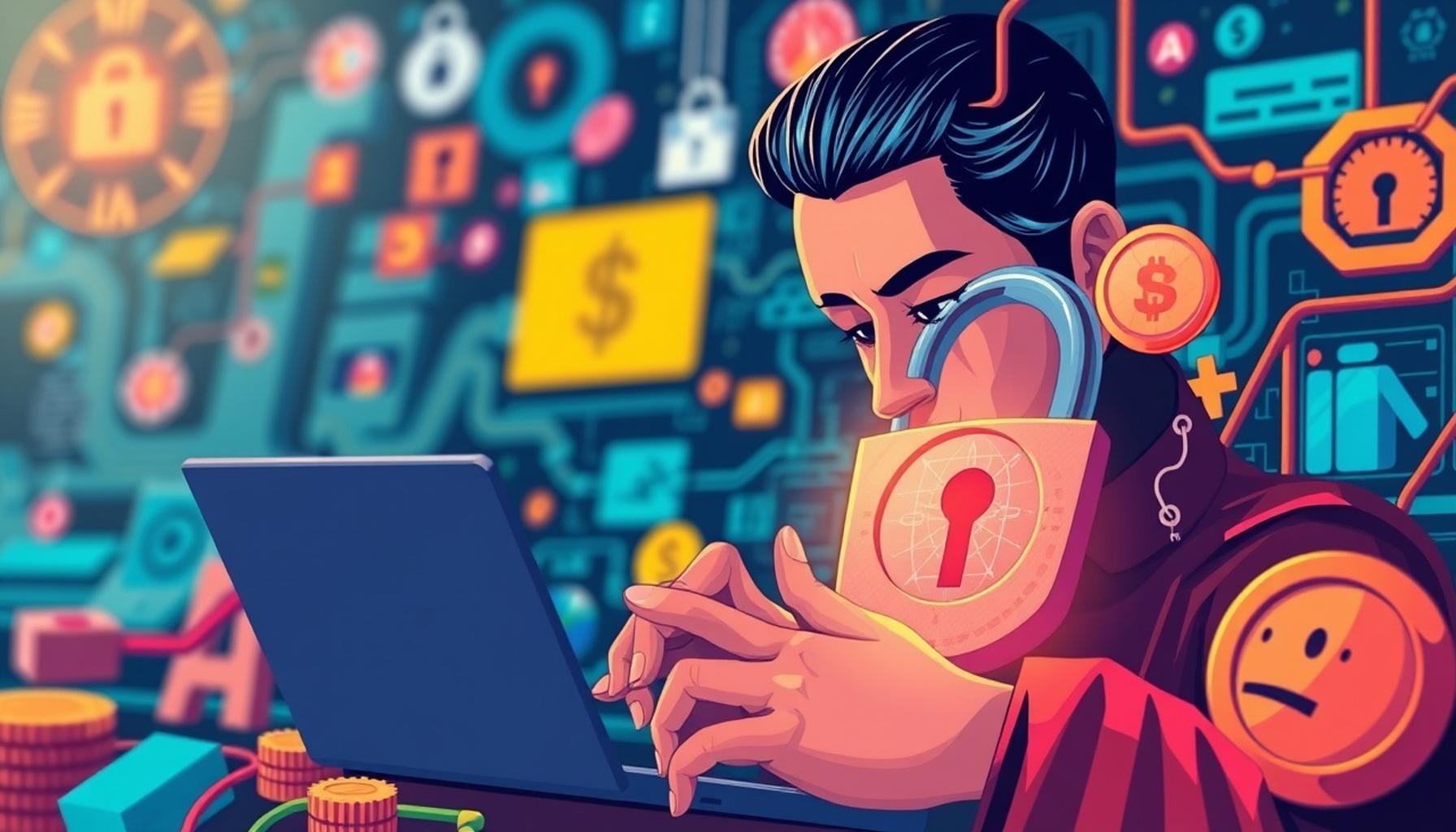
Understanding Cybersecurity and Privacy in the Digital Age
As we continue to integrate technology into our everyday lives, ensuring cybersecurity and privacy has become a top priority for consumers. Given the increasing dependence on digital platforms for personal and professional activities, technology companies play a vital role in protecting user data from unauthorized access and exploitation. As consumers, it is crucial to comprehend the mechanisms these companies employ to secure personal information and safeguard their online experiences.
One of the primary methods technology companies use to protect sensitive data is through data encryption. This process transforms information into an unreadable format for unauthorized users. For instance, when you shop online, your credit card information is encrypted during the transaction, making it difficult for hackers to steal it. Many major corporations, such as banks and e-commerce websites, implement encryption protocols like HTTPS, ensuring that user data remains confidential during transmission.
Another fundamental aspect of cybersecurity is regular updates. As technology evolves, so do the means by which cybercriminals seek to exploit vulnerabilities. To combat these threats, companies frequently release software updates that patch security flaws. For example, consider how smartphone manufacturers, like Apple and Google, routinely update their operating systems to bolster security features. Staying current with these updates ensures users benefit from the latest protections against potential threats.
This leads to the third important approach, which is user education. Many tech companies are committed to empowering consumers by providing resources that help them recognize and mitigate potential threats. Organizations such as the Federal Trade Commission (FTC) offer guidelines and educational materials on identity theft, phishing scams, and safe online practices. This proactive approach enables users to take charge of their cybersecurity by understanding common pitfalls and implementing preventive measures.
The repercussions of failing to prioritize cybersecurity can be grave. Take identity theft, for example; when personal information falls into the wrong hands, fraudsters can assume the victim’s identity, leading to devastating financial and emotional consequences. Additionally, many consumers may experience substantial financial loss from compromised accounts or unauthorized transactions, leading to long recovery processes. Furthermore, companies that neglect data protection face significant reputation damage, eroding consumer trust and potentially leading to decreased revenue and market share.
As we traverse the complexities of the digital realm, it becomes essential for consumers to remain well-informed about their rights regarding data usage and the responsibilities of technology companies. By fostering a collaborative relationship based on awareness and proactive security measures, we can contribute to creating a safer online environment for all users. Remember, cybersecurity is a joint effort, and every action, whether taken by companies or individuals, plays a role in fortifying our digital ecosystem.
DIVE DEEPER: Click here to learn more about fintechs and banking</p
Strategies Employed by Technology Companies for Consumer Protection
In the realm of cybersecurity and privacy, technology companies have a multifaceted responsibility to protect consumer data. Not only do they invest in advanced technologies, but they also develop policies and practices designed to secure users’ information. Here are some of the chief strategies employed by these companies:
- Data Encryption: Encryption acts as a safeguard, turning sensitive information into a code that can only be accessed with a decryption key. Leading technology firms often employ encryption to protect data both in transit and at rest, ensuring that personal information, such as emails or files stored in the cloud, is unreadable to unauthorized users. For example, end-to-end encryption in messaging apps like WhatsApp guarantees that only the sender and receiver can view their chat history.
- Two-Factor Authentication (2FA): Many companies are implementing 2FA to add an extra layer of security. This process requires users to verify their identity through a secondary method, such as a text message or an authentication app, before granting access. For instance, when logging into an online bank account, users might receive a temporary code via SMS that they must enter to complete the login process.
- Regular Security Audits: Conducting frequent security audits helps identify vulnerabilities within a company’s systems. By regularly evaluating their cybersecurity measures, companies can proactively address issues before they become critical. For instance, tech giants like Microsoft and Google regularly assess their systems and update protocols to counter potential threats.
- Privacy Policies and Transparency: Clear privacy policies inform users about how their data is collected, used, and shared. Companies are increasingly focusing on transparency, outlining the measures they take to protect consumer data and how users can exercise control over their information. For example, if a user deletes their account from a social media platform, they should be aware of whether their data will be retained or permanently erased.
These strategies not only serve to protect consumers but also to foster trust in technology companies. A strong reputation for data protection can attract new customers while retaining existing ones. Conversely, failures in cybersecurity can lead to serious consequences, such as data breaches, theft of personal information, and significant legal repercussions. In the United States alone, large-scale data breaches cost companies millions of dollars and can result in class-action lawsuits, further emphasizing the importance of robust cybersecurity measures.
Ultimately, technology companies must view cybersecurity as an ongoing commitment rather than a one-time solution. By continuously improving their security measures and prioritizing consumer privacy, they can not only shield their users from potential threats but can also create a more secure digital landscape for everyone.
DIVE DEEPER: Click here to learn more
Challenges in Ensuring Consumer Data Protection
Despite the significant strides technology companies are making in enhancing cybersecurity and privacy, they face numerous challenges that can complicate their efforts to protect consumer data. Recognizing these challenges is vital for understanding the complexity of the current digital landscape. Here are some of the major obstacles these companies encounter:
- Rapid Technological Advancements: Technology evolves at an unprecedented pace, which can outstrip the capabilities of existing security measures. Emerging technologies, such as artificial intelligence and the Internet of Things (IoT), introduce new vulnerabilities that existing security frameworks may not cover. For instance, smart home devices can become gateways for cyberattacks if not properly secured, putting consumer data at risk.
- Human Error: A significant percentage of cybersecurity breaches stem from human error, whether it’s weak passwords, falling for phishing scams, or improper data handling. No matter how advanced the technology employed, poor practices among employees or users can lead to data exposure. Training and awareness programs are essential to help mitigate this risk, yet they are often overlooked.
- Regulatory Compliance: As governments worldwide ramp up their efforts to protect consumer privacy, technology companies must navigate a complex web of data protection regulations. In the United States, for example, the California Consumer Privacy Act (CCPA) and the Health Insurance Portability and Accountability Act (HIPAA) impose strict rules on data handling. Complying with these regulations can require substantial resources and ongoing adjustments to policies and practices.
- Data Breaches and Public Trust: When a data breach occurs, it not only exposes sensitive information but can also severely damage a company’s reputation and consumer trust. High-profile breaches, such as the Equifax incident in 2017, have raised public awareness about privacy issues and revealed vulnerabilities in corporate data protection strategies. Companies must act swiftly not only to address security flaws but also to restore consumer confidence.
These challenges highlight the necessity for technology companies to adopt a proactive mindset in cybersecurity. A reactive approach, where organizations respond only after a breach has occurred, is insufficient in today’s digital environment where threats are constantly evolving and becoming more sophisticated.
Moreover, collaboration between technology companies, governments, and other stakeholders is essential to strengthen consumer data protection. For instance, initiatives like the Cybersecurity Information Sharing Act promote sharing information about threats and vulnerabilities among companies, helping to foster a safer online environment. Such collaborative approaches empower organizations to learn from each other’s experiences and develop more resilient security measures.
In light of these challenges, technology companies must also prioritize user education as part of their strategy. By informing consumers about best practices for protecting their information, such as recognizing phishing attempts or using strong, unique passwords, companies not only help shield users from threats but also enhance the overall cybersecurity posture of the digital ecosystem.
Ultimately, navigating the complex landscape of cybersecurity and consumer privacy requires a holistic approach. By addressing both technological and human factors, and fostering collaboration across sectors, technology companies can make significant improvements in protecting consumer data and building a safer online environment.
DIVE DEEPER: Click here to discover more
Conclusion
In the rapidly evolving world of technology, cybersecurity and privacy have emerged as fundamental pillars of consumer protection. Technology companies bear a significant responsibility in safeguarding sensitive data while navigating a myriad of challenges, including rapid technological advancements, human error, regulatory compliance, and the ever-looming threat of data breaches. The complexities of these challenges underscore the importance of a proactive and comprehensive approach to data security.
Collaboration among technology firms, governmental bodies, and other stakeholders is crucial to creating robust protective measures. By sharing intelligence on threats and best practices, companies can learn from one another, fostering an environment of improved security across the digital landscape. Moreover, prioritizing user education plays a vital role in empowering consumers to take an active part in their own data protection, helping them to recognize risks and adopt safer online behaviors.
As we move forward in this digital age, it is essential for technology companies to embrace a holistic perspective that integrates technological innovation with human behavior and regulatory frameworks. By doing so, they can not only enhance their own security measures but also contribute to a safer online ecosystem for all users. Ultimately, a commitment to transparency, vigilance, and collaboration will be key in building trust and ensuring that consumer data remains protected in an increasingly interconnected world.

Linda Carter
Linda Carter is a writer and expert known for producing clear, engaging, and easy-to-understand content. With solid experience guiding people in achieving their goals, she shares valuable insights and practical guidance. Her mission is to support readers in making informed choices and achieving significant progress.


